
Preparing Behavioral Health Clinicians for Success and Retention in Rural Safety-Net Practices
Increasing access to behavioral health providers in safety-net clinics is vital to ensuring behavioral health care equity. However, there is a lack of knowledge about the factors that better prepare behavioral health providers to practice in these settings.
|
Reforms Could Expand Behavioral Health Care AccessThis year, Medicare will increase coverage for behavioral health services that community health workers and peer support specialists provide. Commonwealth Fund senior fellow Nathaniel Counts explains how these reforms will expand the type of providers eligible for reimbursement while increasing resources for early intervention and crisis care. Counts says the reforms also acknowledge the importance of addressing Medicare beneficiaries’ social needs.
|
Expanding behavioral health services for our farmers and rural communitiesAgriculture is the economic engine of Iowa, the livelihood of farmers and their families, and the lifeblood of our rural communities across the 4th Congressional District.
|
Preparing Behavioral Health Clinicians for Success and Retention in Rural Safety Net PracticesThis study assesses how, among behavioral health clinicians working in rural safety net practices, the amount of exposure to care in rural underserved communities received during training relates to confidence in skills important in their work settings, successes in jobs and communities, and anticipated retention.
Study |
Understanding the U.S. Behavioral Health Workforce Shortage
Whether because of provider availability, cost, or stigma associated with seeking treatment, accessing behavioral health services is unnecessarily complex for Americans — especially for people in rural or underserved areas. A new Commonwealth Fund explainer helps us understand what’s going on. It discusses the many different types of behavioral health providers in the U.S., the barriers people face in getting services, and ways in which the nation can bolster the workforce to meet the growing demand for care.
|
New Health Care Scorecard: Across States, a Spike in Preventable Deaths, Untreated Mental Health Needs, and Millions in Medical Debt
Across the country, states are grappling with a surge in preventable deaths and unaddressed mental health needs — particularly in adolescents — according to the latest edition of the Commonwealth Fund’s Scorecard on State Health System Performance.
|
A Survey of Psychologist Demographic Characteristics and Factors that Influence the Practice of Psychology in Iowa
|
The Iowa Psychological Association released a Survey of Psychologist Demographic Characteristics and Factors that Influence the Practice of Psychology in Iowa. The purpose of the survey was to to examine psychologist demographic characteristics, issues related to the business of psychology (e.g., billing/reimbursement), factors that influence the practice of psychology (e.g., delivering psychological services and access to care concerns), and how psychologists uniquely contribute to the well-being and public health of Iowans.
|
Workforce Planning: How to Recruit and Retain Mental Health Workers |
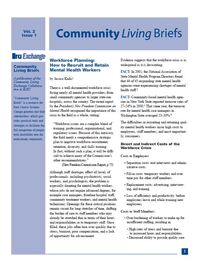
Click on image to access brief.
|